Blog
Spider-Man Shirt Size Guide: How to Find the Perfect Fit
Oct
There is no special sizing system for Spider-Man shirts: the size is set by the blank garment the design is printed on, not by the character or artwork. The most reliable way to choose is to measure a T-shirt that already fits you well and compare its chest width and length with the size chart of the exact shirt you want. Letter sizes like “M” or “L” vary between manufacturers; inches do not.
Why Graphic Tee Sizes Vary From Brand to Brand
Two shirts labeled “Large” can differ by an inch or more across the chest. The usual reasons:
- The blank: each manufacturer grades its own sizes, so a print shop using two different blanks can have two different charts.
- The cut: classic unisex, women’s fitted, oversized and youth patterns are drafted differently.
- Fabric and finishing: fabric weight changes how a shirt drapes, and cotton garments can still shrink somewhat with hot washing and drying – how much depends on the fabric and how it was finished.
- Manufacturing tolerance: finished garments can vary within the maker’s stated tolerance – often around ±0.5 to ±1 inch depending on the blank – so treat chart numbers as close guides, not exact guarantees.
Body Measurements vs Garment Measurements
This is where most sizing mistakes happen. Size charts come in two kinds:
- Body measurements describe you – for example, a 40-inch chest measured around your body.
- Garment measurements describe the shirt laid flat – for example, a 21-inch chest width measured across the front from side seam to side seam.
A flat width is about half of the shirt’s full circumference. A shirt with a 21-inch flat width is roughly 42 inches around – a couple of inches larger than a 40-inch chest, which is the “ease” that makes a classic tee comfortable. Never compare a flat width directly with your body chest.
How to Measure a T-Shirt You Already Own
Choose a tee whose fit you like, lay it flat and smooth it without stretching.
- Chest width: straight across, 1 inch below the armpits (“pit to pit”).
- Body length: from the highest point of the shoulder, next to the collar, straight down to the hem.
- Sleeve length (optional): from the shoulder seam to the end of the sleeve.
For photos of each step, see how to measure a T-shirt you already own.
Example Unisex Size Chart (Classic Fit)
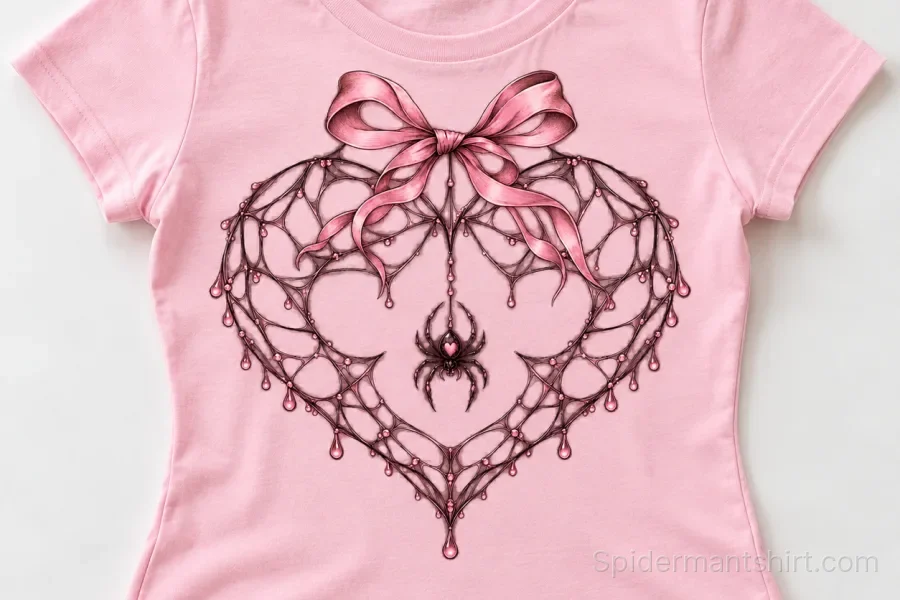
The chart below shows example garment measurements for a typical unisex classic-fit tee. Use it to understand the pattern, then always check the chart on the product you are buying.
| Size | Chest width, flat (in) | Body length (in) |
|---|---|---|
| S | 18 | 28 |
| M | 20 | 29 |
| L | 22 | 30 |
| XL | 24 | 31 |
| 2XL | 26 | 32 |
| 3XL | 28 | 33 |
Worked example: choosing between two sizes
Your favorite tee measures 21 inches pit to pit and 29.5 inches long. On the chart above, M is 20 inches and L is 22 inches wide. Remember that 1 inch of flat width is about 2 inches of total circumference: the M will fit roughly 2 inches smaller around the chest than your reference tee, and the L roughly 2 inches larger. Choose L if you prefer more ease, M if you like a closer fit. Then verify length (M is 29, L is 30 – both close to 29.5) and, if the chart lists them, shoulder width and sleeve length. When chest and length point to different sizes, choose by chest and fix length with styling, since a tight chest cannot be fixed. If shrinkage worries you, check the fabric content and care label rather than automatically sizing up.
Women’s Fitted and Unisex Cuts

Women shopping for a graphic tee usually choose between a women’s fitted (or baby) tee – shaped at the waist, with a shorter body and sleeves – and a unisex tee, which is straighter and roomier. Because the cuts are graded differently by each manufacturer, there is no reliable letter-size conversion between them. Measure a tee you like in the cut you want and match the flat chest width and length on the product chart. If you want the oversized look, our oversized T-shirt size guide explains how to compare boxy fits.
Kids’ and Toddler Sizes
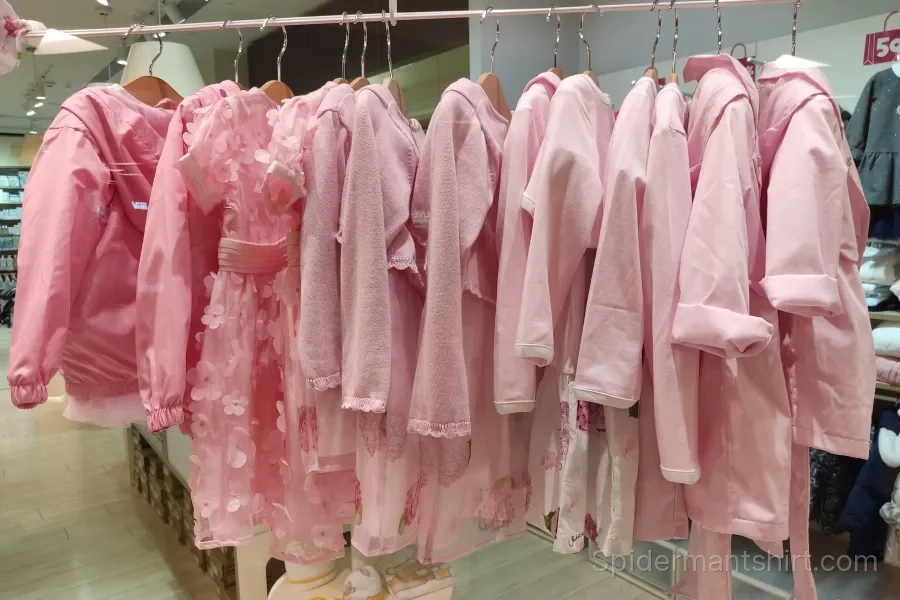
Children’s shirts usually come in two systems: toddler sizes (commonly 2T–5T, though ranges vary by maker), which on many brands have a little extra room in the belly, and youth sizes (often XS–XL), which are typically longer and straighter. Age labels on youth sizes are only a rough guide; children of the same age can be several inches apart in height. Measure your child’s chest and height, or measure a shirt that fits them, and compare with the product chart. If you want a shirt to last longer, choosing the next size up is an option – just check that it will not swamp them today. Our kids’ T-shirt size guide and toddler size chart for 2T to 5T go deeper.
Fit Checkpoints by Style
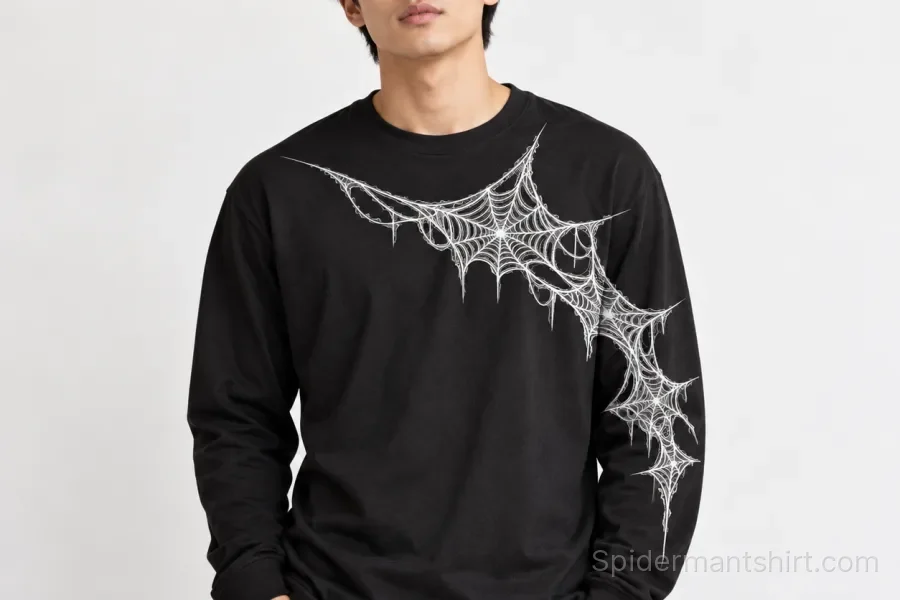
- Classic tee: shoulder seam on the edge of your shoulder, chest lying flat without pulling the print, hem around mid-fly.
- Oversized tee: shoulder seams drop onto the upper arm by design; compare the flat width of an oversized tee you like rather than sizing up a classic tee.
- Long sleeve: cuffs should reach the wrist bone – check sleeve length on the chart.
Our article on how a graphic T-shirt should fit shows each checkpoint in detail.
Keeping the Size You Bought
Follow the garment’s care label first. As a conservative rule for printed tees, cotton is most likely to shrink in hot water and a hot dryer, so turning the shirt inside out, washing cold and drying on low or hanging to dry protects both the size and the print. Cotton-poly blends usually shrink less than 100% cotton. When we size our own original spider-themed tees, every product page lists the flat chest width and length in inches so you can compare it with the shirt you measured, and unworn items can be exchanged within 30 days if the fit is not right. Browse our spider shirts once you have your numbers. For washing details, see how to stop T-shirts from shrinking and how to wash graphic tees without cracking the print.
Spider-Man Shirt Sizing FAQ
Do Spider-Man shirts run small?
Not because of the design. Fit depends on the blank and the cut – fitted and youth cuts sit closer to the body than unisex tees. Compare garment measurements in inches.
Should I size up for a graphic tee?
Compare chest width first, then check length, shoulders and the overall silhouette you want. The larger size gives more ease; the smaller gives a closer fit – remember each flat inch is about two inches around the body.
How do I read “pit to pit” on a size chart?
It is the flat chest width measured across the front, one inch below the armpits. Double it to estimate the shirt’s full circumference.
What if chest width and length point to different sizes?
Choose the size that fits your chest and shoulders. A slightly long hem can be tucked or knotted; a tight chest cannot be fixed.
Can I convert women’s sizes to unisex sizes?
Not reliably by letter. Compare the flat chest width and length of each product’s chart with a tee you own.
Spiderman T-Shirt Co. is an independent store selling original designs. This article is for information only and is not affiliated with, endorsed or sponsored by Marvel, Disney or Sony.
