Blog
How Should a Graphic T-Shirt Fit? Men’s, Women’s & Oversized Fits Explained
Oct
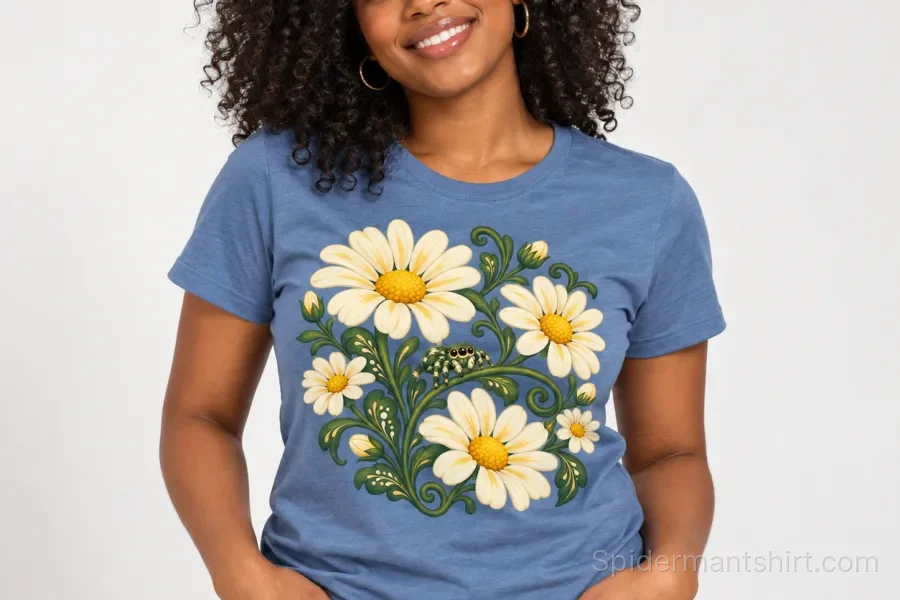
A graphic T-shirt fits well when the shoulder seams sit near your outer shoulder point, the collar lies flat, the chest drapes without tension lines across the print, the sleeves skim your arms and the hem covers your waistband. Those checkpoints apply to men and women alike; what changes is how much room each cut is designed to have. Because sizes differ between brands and blanks, the safest way to buy online is to compare garment measurements with a tee you already like – the letter on the label is only a starting point.
The Five Fit Checkpoints
- Shoulders: on a regular-cut tee the seam sits near the outer point of your shoulder. If it pulls inward toward your neck, the shirt is too narrow; if it hangs well down the upper arm, it is either an intentionally dropped-shoulder (oversized) cut or simply too big.
- Neckline: the collar should lie flat around your neck without choking, gaping or looking stretched.
- Chest: the fabric should skim your chest. Horizontal tension lines across the print, or a design that visibly stretches when you stand normally, mean the chest is too tight.
- Sleeves: on a classic tee, sleeves usually end around mid-bicep and touch the arm lightly; cuffs should not dig in.
- Length: untucked, the hem should cover your waistband. Where exactly it ends is partly style: longer reads relaxed, shorter reads cropped.
The movement test
Raise both arms, sit down and reach forward. If the hem rides up past your waistband, the armholes bind or the shoulders pull, the shirt is too small or too short for you.
Signs a Graphic Tee Is Too Small or Too Big

| Too small | Too big |
|---|---|
| Tension lines across chest or upper back | Excess fabric bunching at the armpits and sides |
| Shoulder seam pulled toward the neck | Shoulder seam far down the arm on a regular cut |
| Sleeve cuffs digging into the arm | Sleeves flaring away from the arm |
| Hem rides up when you raise your arms | Hem covers your back pockets on a regular cut |
| Print stretched or distorted | Print sitting low or folding into creases |
How to Measure for a Graphic Tee
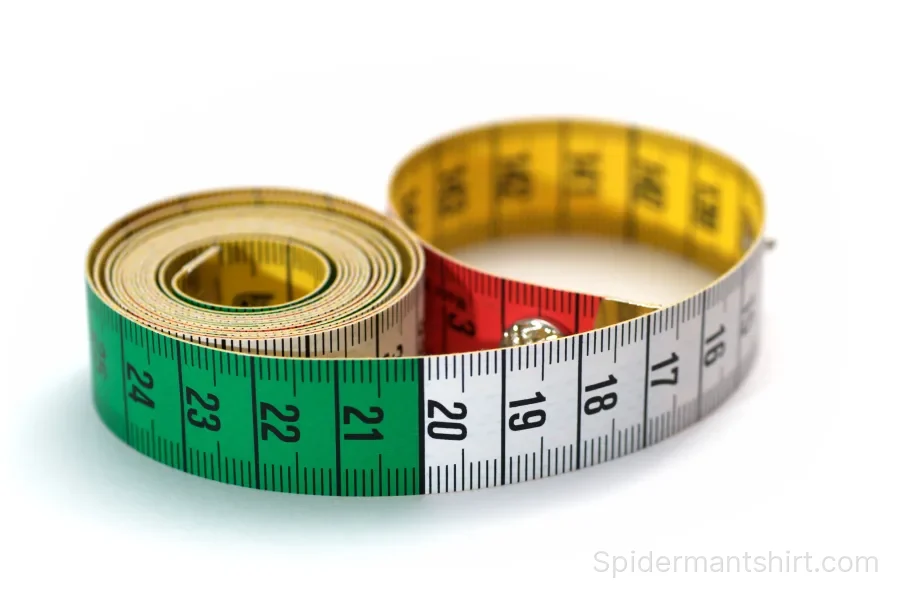
- Lay a tee you like flat and smooth it without stretching.
- Measure chest width straight across, 1 inch below the armpits (“pit to pit”).
- Measure body length from the highest point of the shoulder, next to the collar, down to the hem.
- Compare both numbers with the garment chart of the exact shirt you want – not a body-measurement chart and not your usual letter size.
Remember that 1 inch of flat width is about 2 inches around the body. For a full walkthrough, see how to measure a T-shirt you already own and our graphic shirt size guide.
Fit Styles Compared

The table describes typical shapes; exact measurements depend on the brand and blank.
| Fit | Shoulders | Chest/body | Sleeves | Length |
|---|---|---|---|---|
| Classic / regular | At shoulder point | Straight, some ease | Around mid-bicep | Covers waistband |
| Slim | At shoulder point | Tapered to the waist | Narrower | Similar to classic |
| Women’s fitted / baby tee | Narrower | Shaped at the waist | Shorter | Shorter, sometimes cropped |
| Relaxed / boxy | Slightly dropped | Wider, straight | Looser | Often slightly shorter than it is wide looks |
| Oversized | Clearly dropped onto the arm | Much wider | Wide; length varies from lower bicep to near the elbow | Longer |
Women’s Fitted vs Unisex Graphic Tees
Women often choose between a women’s fitted or baby tee – narrower shoulders, waist shaping, shorter body and sleeves – and a unisex tee, which is straighter and roomier. Because each brand grades these cuts differently, there is no letter-size conversion that works everywhere. Measure a tee you like in the cut you want and match its flat chest width and length on the product chart. For a deeper look, see unisex T-shirt sizing explained.
Relaxed, Boxy and Oversized Fits

Relaxed and boxy tees sit between classic and oversized: a little wider, with a slightly dropped shoulder. True oversized tees are drafted with dropped shoulders and a much wider body. Tips:
- A tee cut to be oversized usually looks more intentional than a regular tee bought several sizes up – and is often bought in your normal size.
- Balance the volume with slimmer or straight pants, or bike shorts.
- Heavier knits tend to hold a boxy shape better than thin, stretchy fabric, although knit structure and blend matter too.
Our oversized T-shirt size guide explains when sizing up makes sense and when it does not.
Fixing Common Fit Problems
| Problem | What to look for next time | Quick fix today |
|---|---|---|
| Shoulders fit, body too long | A shorter body length on the chart | Front tuck or knot |
| Chest fits, shoulders tight | Wider shoulder measurement, relaxed cut | Layer open overshirt to hide pulling |
| Body fits, sleeves too long | Shorter sleeve length | Neat double cuff |
| Too boxy overall | Classic or slim cut, smaller flat width | Wear under a jacket |
| Print stretching across chest | Larger flat chest width | None – size up next time |
Why Fit Affects How a Print Looks
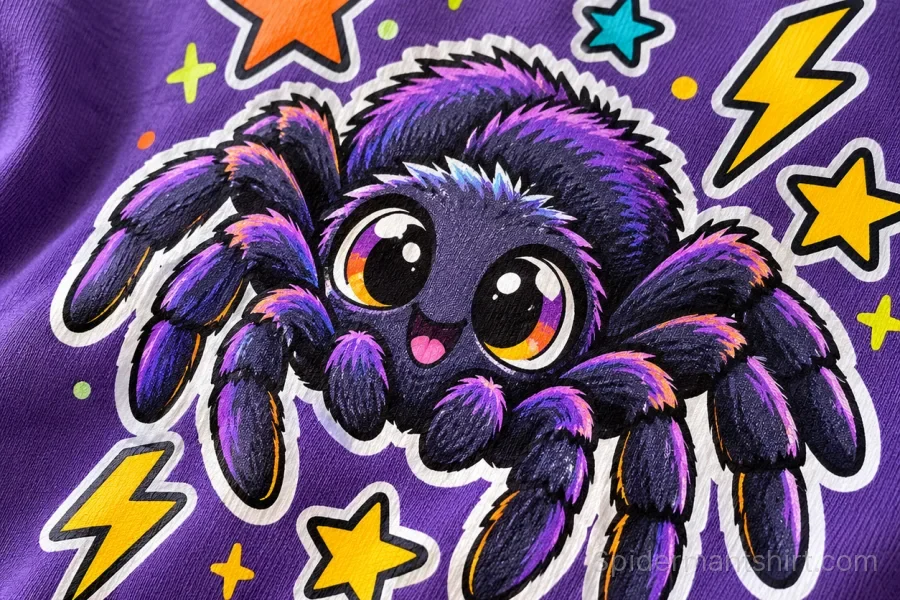
A print looks best when it lies flat and centered. A very tight shirt stretches the design and can put extra stress on some printed areas, while a very loose shirt lets the artwork sag lower and fold. How long a print lasts depends mainly on the print method, inks and care – see screen printing vs DTG – but a good fit keeps the design readable. For example, a spider-web graphic with a large front print looks cleanest on a tee whose flat chest width matches the one you measured, which is why every one of our original spider graphic tees lists its chest width and length in inches.
Graphic Tee Fit FAQ
Should a graphic tee be tight or loose?
For a classic look, it should skim the body without tension lines. Tight stretches the print; very loose hides it – unless you choose a cut designed to be oversized.
Should a T-shirt cover your belt?
Untucked, it should at least cover your waistband; where it ends below that is a style choice.
Should I size up or down when I’m between sizes?
Size up for more ease or if the fabric may shrink according to its care label; size down only if the product chart and the closer fit you want support it.
How do I know if my shirt is too big?
On a regular cut, look for shoulder seams well down your arm, fabric bunching at the armpits and a hem that covers your back pockets.
Spiderman T-Shirt Co. is an independent store selling original designs. This article is for information only and is not affiliated with, endorsed or sponsored by Marvel, Disney or Sony.
